
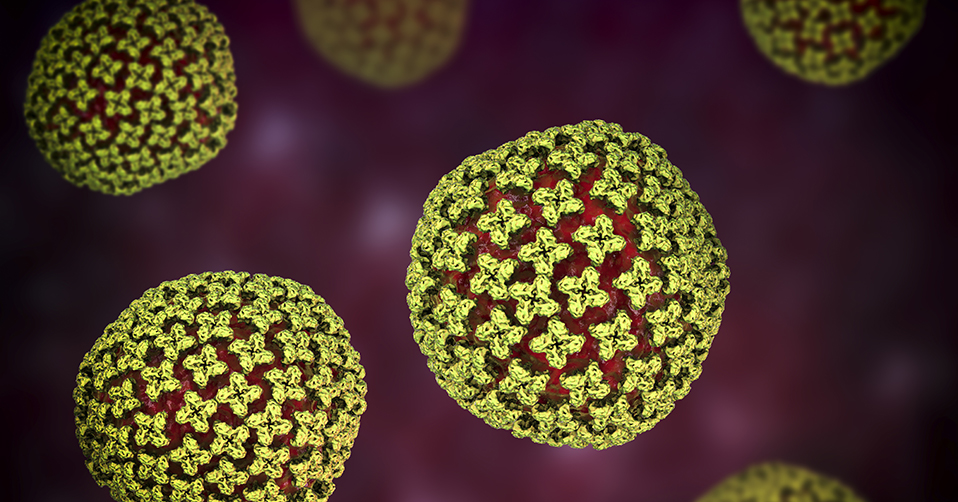
Pandemic PACT has published a dedicated Hantavirus page to support researchers, funders and policymakers responding to the current outbreak linked to a Dutch cruise ship in the Atlantic Ocean.
On 2 May 2026, a cluster of cases of respiratory illness among passengers on a Dutch cruise ship carrying 147 people was reported to the World Health Organization (WHO). As of 8 May 2026, there have been six laboratory-confirmed cases of hantavirus infection, all identified as Orthohantavirus andesense, along with two suspected cases. Three deaths have been reported among the eight confirmed and suspected cases, indicating a case fatality ratio of 38% for this outbreak.
Pandemic PACT’s contribution
To inform the global response, Pandemic PACT has released a Hantavirus outbreak page that consolidates information on characteristics and medical countermeasure development. The page also provides visual data on current research grant funding for Hantavirus, showing where and how resources are being invested. These data visualisations give the global health community a clear overview of which aspects of Hantavirus species research and clinical development are being funded, helping to identify where critical research gaps may remain.
By bringing together grant funding and related data, the new Pandemic PACT Hantavirus page offers a powerful, real-time view of the global research landscape. In the context of the ongoing cruise ship outbreak and the demonstrated potential for high case fatality, this resource is intended to support faster, more strategic decisions by funders, researchers, and public health agencies seeking to strengthen preparedness and target investments where they are needed most.
Background: a high-consequence but relatively uncommon infection
Hantaviruses are a group of viruses that can cause mild to severe disease in humans, typically transmitted from rodents through urine, faeces, or saliva. While most hantaviruses do not spread between people, limited human-to-human transmission of Orthohantavirus Andesense (Andes virus), one species of Hantavirus, has been reported among close contacts.
Disease manifestations vary by region:
- In the Americas, hantaviruses can cause hantavirus cardiopulmonary syndrome (HCPS), a severe respiratory illness with a case fatality rate that can reach up to 50%.
- In Europe and Asia, they are known to cause haemorrhagic fever with renal syndrome (HFRS), with case fatality rates ranging from <1-15%.
Globally, cases of hantavirus are uncommon, occurring in the tens or hundreds of thousands annually, mostly in Asia and Europe, with fewer but more severe cases in the Americas. Two species of Hantavirus, Orthohantavirus sinnombreense (Sinnnombre virus) and Orthohantavirus hantanense (Hantaan virus), are recognised by WHO as high risk for their potential to cause a Public Health Emergency of International Concern (PHEIC). Orthohantavirus andesense is responsible for most cases in South America and is the species implicated in the current cruise ship outbreak.
Treatment and vaccine landscape
There are no licenced and widely available antiviral treatments or vaccines for hantavirus infection outside of Asia. Ribavirin has shown some efficacy against hantavirus haemorrhagic fever with renal syndrome but not hantavirus cardiopulmonary syndrome. Management therefore relies on timely supportive care for symptoms, including antipyretics, analgesics, respiratory support, vasopressors, and dialysis as indicated.
Because HCPS can progress rapidly, close monitoring and early transfer to intensive care units are essential.
Three vaccines for hantaviruses are currently licensed and used in Asia:
- ‘Hantavax’ (Orthohantavirus hantanense)
- ‘Puumala’ inactivated’ (Orthohantavirus puumalaense)
- ‘Seoul’ inactivated’ (Orthohantavirus seoulense)
In addition, an ‘HTNV/PUUV DNA vaccine’, targeting Orthohantavirus hantanense and Puumalaense), is in phase 2 clinical trials. Preclinical vaccine research for Orthohantavirus Andesense is being conducted by the U.S. National Institute of Allergy and Infectious Diseases (NIAID). The status of these and other medical countermeasures is being monitored under the WHO R&D Blueprint for Epidemics, and synthesised on the Pandemic PACT platform.